
Why It Matters to Your Family and Business
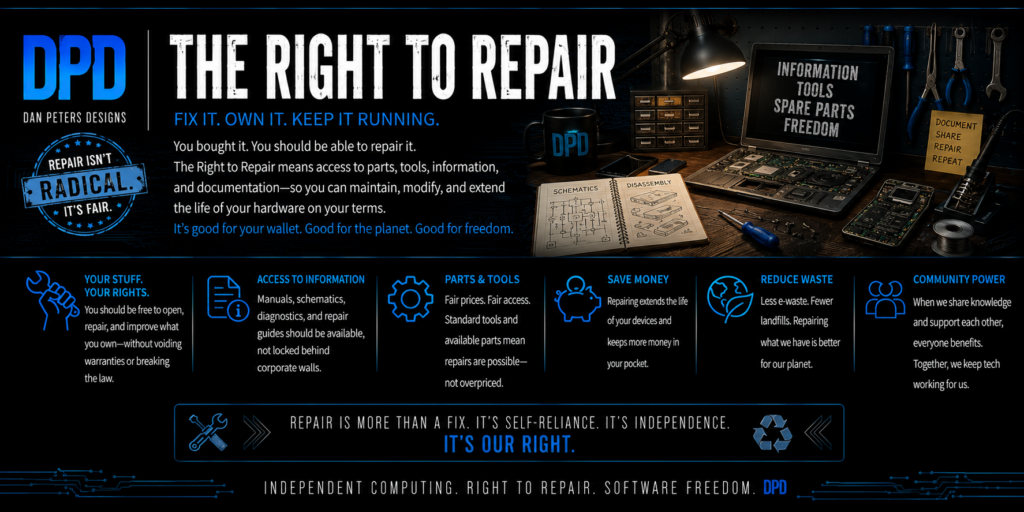
What is the “Right to Repair”?
Simply put, the Right to Repair is the idea that if you bought it, you own it. You should have the legal and physical ability to fix your own electronics, or take them to a local shop of your choice, instead of being forced back to the manufacturer for expensive repairs or being told to “just buy a new one.”
For many of us—homeschooling families, small businesses, and community groups—tech is a tool, not a luxury. When a tool breaks, we need to be able to fix it affordably so we can get back to work.
The Four Obstacles to Fixing Your Stuff
To understand the movement, it helps to look at the four things manufacturers do to make repair difficult:
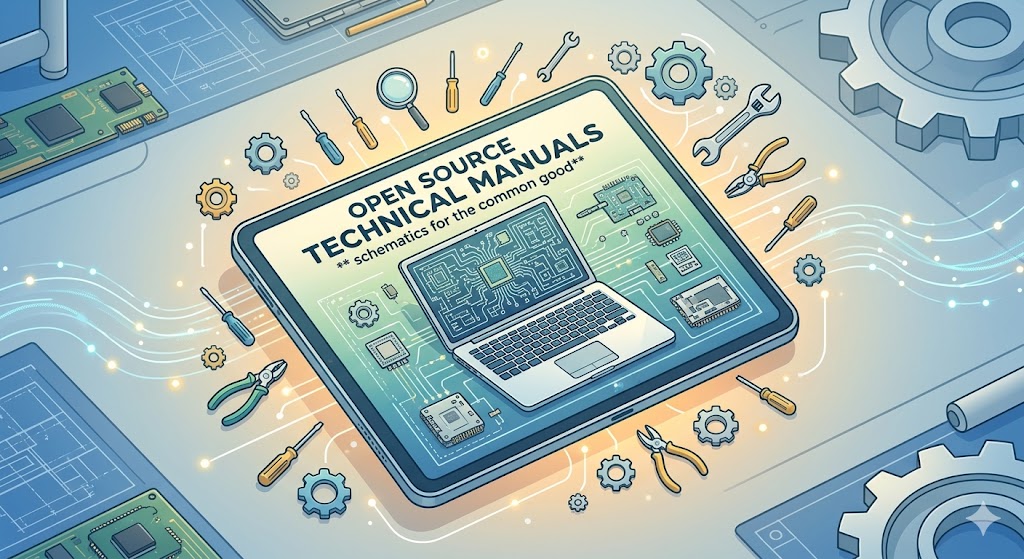
- Restricted Information: Repair manuals, schematics, diagnostic procedures, and parts information are often difficult or impossible for owners and independent shops to obtain. Meaningful repair access requires documentation people can actually use.
- Specialized Tools and Fasteners: Unusual screws, proprietary tools, and difficult opening procedures can make otherwise ordinary repairs unnecessarily expensive. Devices should be serviceable with tools that owners and independent shops can reasonably obtain.
- Part Pairing & Software Locks: Some devices are programmed to “reject” a new part unless a technician enters a secret code. This is like a car refusing to start because you changed the spark plugs yourself.
- Glued and Non-Serviceable Assemblies: Adhesives and sealed assemblies can turn a routine battery, screen, or port replacement into a risky job. Repair-friendly design should allow common wear parts to be replaced without destroying the device.
How This Saves You Money
- The “Hand-Me-Down” Economy: When hardware is easy to repair, a laptop can serve a student for years, then be repaired and passed down to a younger sibling or a neighbor.
- Supporting Local Business: Right to Repair allows small, local repair shops to stay in business, giving you a cheaper alternative to the “Big Tech” stores.
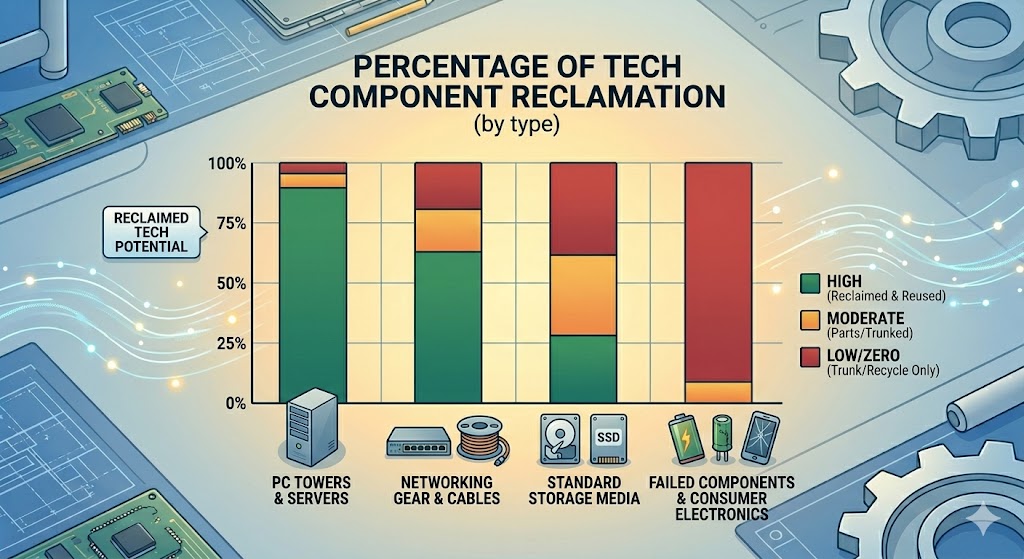
- Reducing Waste: Replacing one failed component instead of discarding the entire device saves money and keeps usable hardware in service longer.
What Repair Looks Like at DPD
At Dan Peters Designs, repair is not limited to replacing a broken screen or battery. It also means testing salvaged drives, upgrading useful older computers, repurposing hardware for new jobs, documenting what failed, and keeping spare parts available instead of treating every problem as a reason to buy a new machine.
Atoll and Harbor were both built around hardware that was already available or obtained secondhand. The original Home Node is preserved as an archive of the first setup, while Current Systems shows how that repair-and-reuse approach developed.
Resources & Who is Fighting for You
These organizations provide the tools, guides, and legal support to make repair possible for everyone:
- iFixit: Think of this as the “Wikipedia of Repair.” They provide thousands of free, step-by-step guides for everything from iPhones to toasters. They also sell the specialized bits and parts needed for the job.
- The Repair Association: An advocacy organization working to improve access to repair parts, tools, documentation, diagnostics, and independent service.
- Electronic Frontier Foundation (EFF): The EFF focuses on the digital side. They fight against laws that make it “illegal” to bypass a software lock just to fix a device you already paid for.
- Public Interest Research Groups (PIRG): They conduct studies on how much money families save when they can repair their own goods and advocate for consumer protection at the state and national levels.